How to avoid seasickness on a fishing trip (what actually works)
Most seasickness can be prevented if you start the night before. When to take the tablets, what to eat, where to stand on the boat, and what to do if it hits anyway.

Seasickness ruins more first fishing trips than bad weather does. The annoying part is that most of it can be prevented, but only if you deal with it before you step on the boat. Once you feel sick, your options run out fast.
Why it happens
Your inner ear feels the boat moving. Your eyes, looking at a deck that moves with you, report that nothing is moving at all. The brain gets two different stories and reacts with nausea. That’s why scrolling on your phone in the cabin is the worst thing you can do, and why watching the horizon helps.
Start the night before
- Get a proper night’s sleep. Tired people get sick more easily.
- Go easy on the drinks. A hangover on a rolling boat is a miserable combination, and plenty of people have learned that the hard way.
- If you’re using tablets, read the label tonight. Some work best when the first dose goes in the evening before, with another in the morning.
Seasickness medicine
These are the options most anglers use. Talk to a pharmacist or your doctor before taking anything, especially for children, during pregnancy or if you take other medication.
- Meclizine (sold as Bonine or Dramamine Less Drowsy). One dose lasts all day and it makes most people less sleepy than older tablets. Take it at least an hour before the boat leaves. It’s the one many captains suggest.
- Dimenhydrinate (original Dramamine). It works, but it makes a lot of people drowsy, and you need another dose after a few hours.
- Scopolamine patch (prescription only). It goes behind the ear several hours before the trip and lasts up to three days. It’s strong, but it can cause a dry mouth or blurry vision, so try it on land first.
- Ginger. Chews or capsules help some people with mild queasiness. Not a substitute for tablets if you know you get sick.
- Wristbands. The evidence is mixed, but they’re harmless and some people swear by them.
The key word with every tablet is before. Seasickness medicine prevents. It rarely cures, and once you’re throwing up, nothing stays down long enough to work.
What to eat on the morning of the trip
An empty stomach is worse than a light one. Have something plain: toast, a bagel, oatmeal, crackers. Skip the greasy breakfast sandwich, orange juice and the third cup of coffee. If you want a banana, eat it before you leave the dock. Lots of captains won’t allow them aboard (it’s an old superstition, and they mean it).
Bring water and keep sipping during the day. Salty crackers and pretzels are good boat snacks.
Where to stand on the boat
- Stay outside in fresh air. The cabin and the bathroom are where people go downhill.
- Stay low and near the middle of the boat, where the motion is smallest. The bow (front) moves the most.
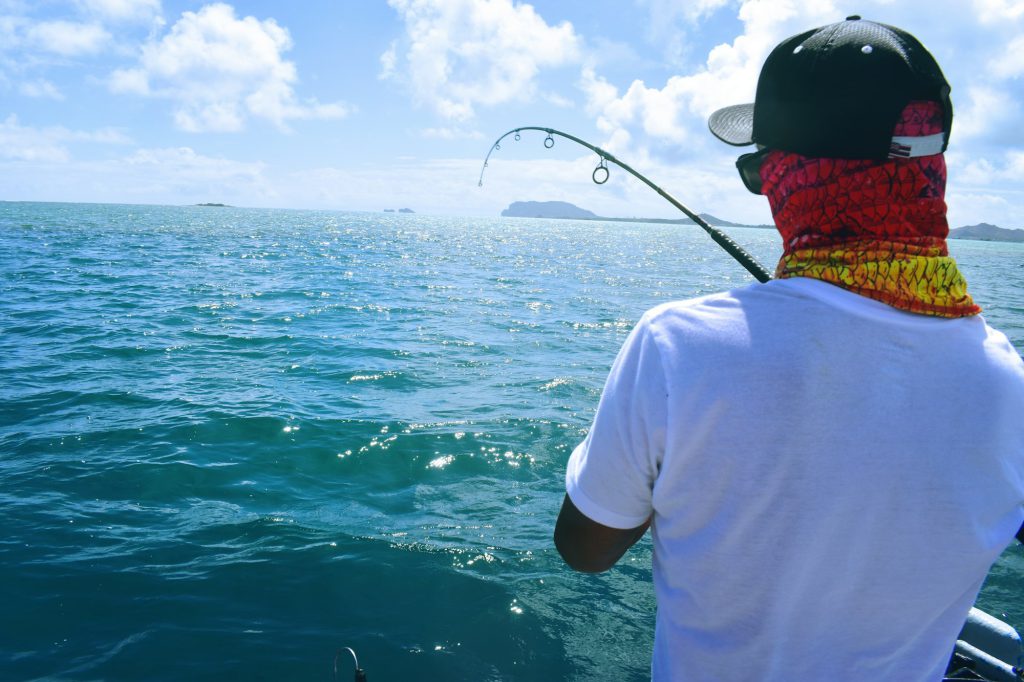
- Keep your eyes on the horizon or on land, not on your phone, a book or your tackle box.
- Stay out of the exhaust. When the boat drifts, diesel fumes can blow back over the stern.
- Keep busy. People holding a rod and watching the tip tend to feel better than people sitting and thinking about how they feel.
Book the right trip
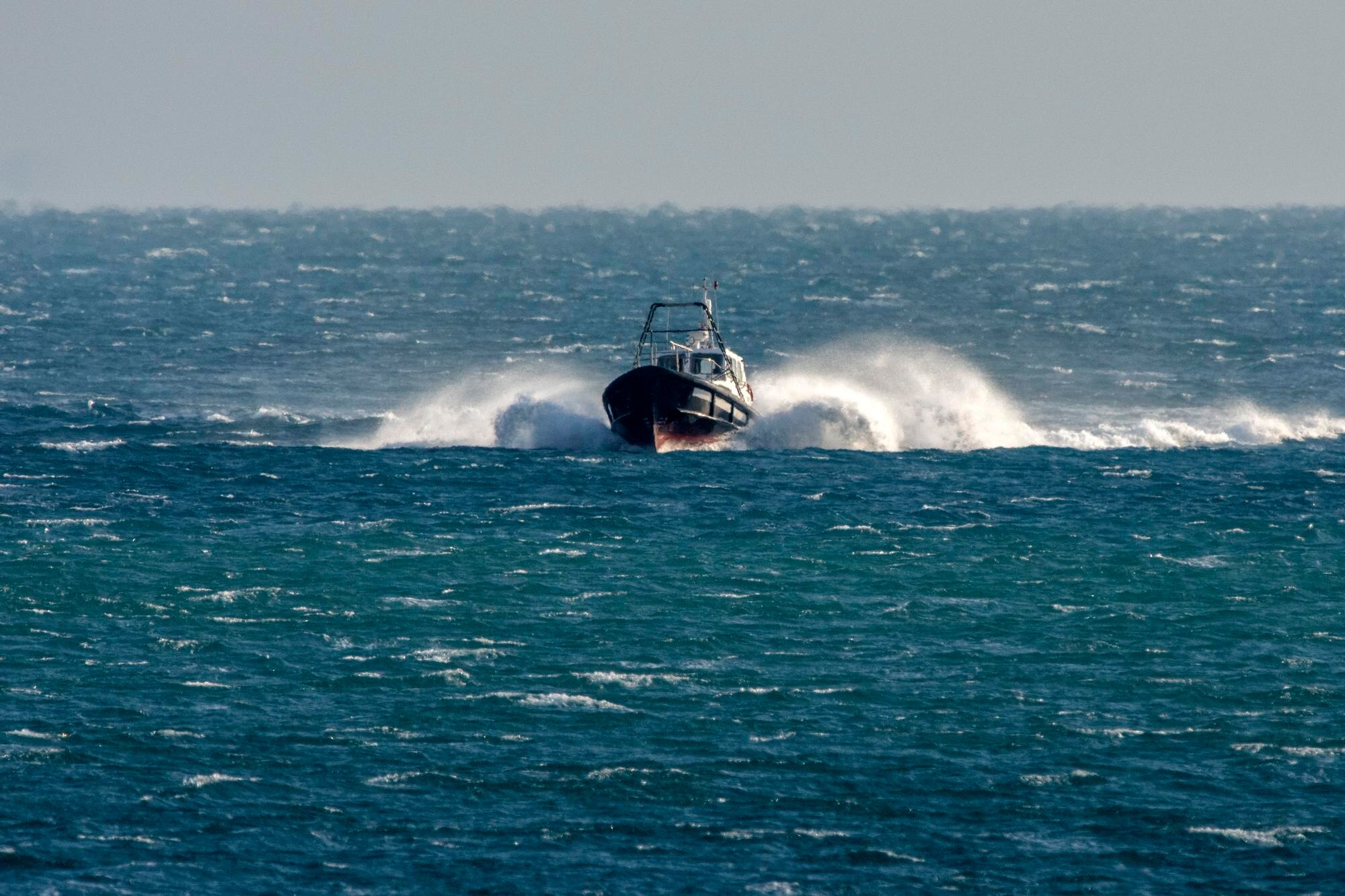
- Check the marine forecast. Wind under about 10–15 knots and seas around 2 feet feel fine to most people. At 4–6 feet, most beginners struggle. Captains cancel when it isn’t safe, but “fishable” can still be lumpy.
- Go early. On many coasts the wind picks up in the afternoon, so morning trips are often calmer.
- Start inshore. Bays, rivers and backwater trips are on flat water. If you’ve never been on a boat, a half-day inshore trip is a safe first step. See inshore vs offshore fishing.
- Think before booking 10 hours offshore. Thirty miles out, the boat won’t usually run back because one person feels bad. On a half day, it’s never far to the dock.
If it hits anyway
- Tell the mate. They’ve seen it a thousand times and nobody on the crew will think twice.
- Go to the side of the boat the wind is blowing toward, not into the wind.
- Fresh air on your face and your eyes on the horizon.
- Afterwards, small sips of water and a few crackers.
- Lots of people feel much better after being sick once and go back to fishing.
- If someone can’t keep water down for hours, dehydration becomes the real problem. Tell the captain.
Tip: if someone in your group has been seasick before, mention it when you book. On a private trip close to shore, the captain can plan around it and heading in early is an option.
For the rest of your bag, see what to bring on a fishing charter and what to wear deep sea fishing.
Book a deep sea charter
See all
Work-n-bites Custom Charters
King of Kings Charters
Miss Kathleen